
How Marathon Runners’ Daily Exercise Builds Endurance Beyond Race Day
What you do between race days matters more than you think.
Let’s not sugarcoat it. Running 42.2 kilometers is not “just a jog in the park.” It’s a war of attrition. Sure, crossing the finish line feels like the win. The real challenge lives in the daily grind—the unseen effort before and after every long run. Marathon runners know this involves daily exercise routines specifically designed to enhance endurance and prevent injury. That’s where progress is built… and where injury likes to sneak in. That’s where progress builds… or injuries creep in.
Whether you’re training for the Toronto Waterfront Marathon or simply aiming to finish your first big race without mid-run disasters, one thing is crystal clear: marathon runners rely on daily exercise and recovery to stay strong, consistent, and injury-free. In fact, marathon runners’ daily exercise habits—stretching, mobility, strength work, and rest—are just as important as their mileage. It’s not only about racking up kilometers; it’s about building the kind of routine that keeps your body moving, your mind sharp, and your race plans on track.
Let’s break down what a real marathoner’s day should look like. Minus the fluff. Plus a few personal scars.

A Stretch Routine Every Marathon Runner Should Use Daily
Dynamic movement unlocks longer distance —and saves your joints.
You wake up. Ankles feel like wood. Quads scream mutiny. And still—you move.
Marathon runners don’t wait for their bodies to feel “ready.” They nudge them into motion. It starts with a simple stretch routine. Think of it as WD-40 for your joints.
Now, let’s be real. You don’t need a TikTok-worthy yoga flow to make this count. Five minutes of dynamic movement is plenty: leg swings, hip openers, calf raises. These moves aren’t just for show—think of them as your express ticket to smoother, more efficient strides down the road
Old-school runners might swear by touching their toes and calling it a day. Science—and anyone who’s ever pulled a hammy—would beg to differ. Warming up is the appetizer; the main course is what comes next.
Daily Exercise Strategies Marathon Runners Use to Stay Injury-Free
Alternate intensity to stay strong, not sidelined.
Some days, you glide. Others, you slog through syrup. That’s normal. A balanced daily exercise plan doesn’t push hard every day—it rotates gears.
One day, it’s you versus the stopwatch, lungs burning, breath barely keeping pace. The next, you’re cruising on an easy-paced recovery run, talking to your dog or listening to a podcast about foot strength (yes, it’s a thing).
Long runs. Tempo sessions. Strides. Rest days. Marathon runners juggle these like circus acts. Flashy workouts fade. Consistency sticks. You can’t cheat the grind. Don’t underestimate the quiet miles. Quiet miles on a Wednesday build the same engine as the long run on the weekend.
Why Strength Training Belongs in a Marathon Runner’s Workout Routine
Skip the weights, and your knees will notice.
Let’s face it—most runners treat strength training like flossing. “I know I should… I just… don’t.”
Skip it too often, and you’ll feel it—fast. That’s how knees revolt and hips go rogue.
We’re not talking about bench pressing your bodyweight. A solid strength session can be 30 minutes, three times a week. Lunges, deadlifts, planks, and resistance band drills. Think injury prevention, not aesthetics.
Pro tip: treat it like brushing your teeth. It’s routine hygiene—just for your joints.
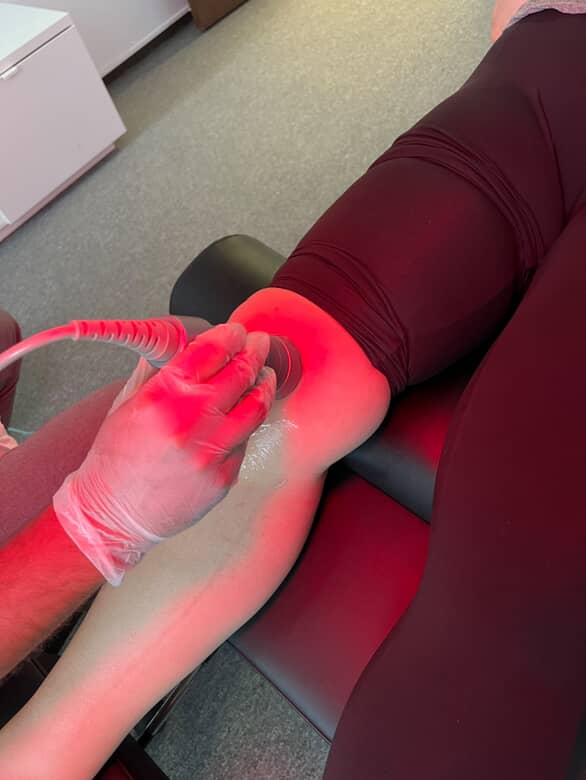
The Double Dose: Stretch Routine Midday? Yep, Again.
Recovery isn’t a one-time event—it’s a system.
You thought one round of stretching was enough?
Not quite.
After your morning run, work, errands, and maybe a nap, your body starts stiffening like concrete. A second, shorter stretch routine in the afternoon or evening keeps things from locking up.
This isn’t about flexibility for Instagram. It’s about resetting your posture, loosening tight quads, and coaxing your calves out of hiding. A few minutes of downward dog, seated folds, and foam rolling can undo hours of sitting or overuse.
It’s boring. You might roll your eyes—but your body will thank you.
Fueling the Machine: Nutrition That Supports Daily Exercise
Every workout depends on what’s on your plate.
Picture this: a marathon runner survives on black coffee, oatmeal, and vibes.
Nope.
Recovery starts in the kitchen. What you eat builds your next run—or sabotages it. Protein repairs muscle. Carbs refill your gas tank. Fat? That’s your slow-burning fuel for those long slogs.
Skipping meals or under-eating might work for Instagram models. It doesn’t work for runners.
You’re not chasing medals? Doesn’t matter. Your body still deserves athlete-level care. What you eat is part of your training plan. https://newliferehabclinic.com/reformer-pilates-benefits-toronto-rehab/
Real Recovery for Real Runners
Massage, sleep, hydration—your real training partners.
Here’s the irony. Runners often chase pain, as if hurting means progress.
Truth bomb: recovery is where the gains happen. You train to break your body down. You recover to build it stronger.
Prioritize real sleep—the kind where you actually rest, not scroll through TikTok until 2 a.m. Keep your water bottle close and sip throughout the day like it’s your second job. And yes, finally schedule that massage you’ve been postponing for weeks
Some swear by ice baths. Others love compression boots. Honestly? Do what works for you. The goal isn’t to copy pros—it’s to find what keeps your engine humming.

https://newliferehabclinic.com/massage-therapy-isnt-just-relaxing-heres-how-it-aids-recovery/
Rest Days Are Part of the Plan (Not a Sign of Weakness)
Recovery is training. Full stop.
Rest doesn’t mean weakness. It means wisdom.
Marathon runners who skip rest days eventually meet Dr. Overuse Injury. And he doesn’t play nice.
Use your off days to reconnect with things you ignore during training. Friends. Family. Feet.
If your Garmin says “Unproductive,” ignore it. Sometimes the best run is the one you didn’t do.
The Mental Game: Talk to Yourself, Nicely
You’re not just training legs—you’re rewiring your brain.
Doubt will creep in. On cold mornings. On lonely roads. At kilometer 39 when everything hurts and the bananas are too green.
That’s why mental strength is part of daily exercise. Some meditate. Others journal. Some scream into a void.
Find your method. But don’t let self-talk spiral into sabotage.
Be your own coach. Be your own cheerleader. (And maybe don’t listen to the voice that says running is “fun” after 35K. That’s just dehydration talking.)
Marathon Running Is a Lifestyle, Not a Hobby
You’re not just a person who runs marathons. You’re a marathon runner.
That means you stretch when you don’t want to. You rest when your ego wants more. You hydrate before you’re thirsty. And you show up—on good days, bad days, and the in-between.
It’s not about perfection. It’s about repetition. Lacing up when you’re sore. Strength training when you’re bored. Foam rolling instead of flopping on the couch.
It’s boring sometimes. But so is brushing your teeth—and you still do that, right?
https://newliferehabclinic.com/physiotherapy/
Quick Recap for the Tired and Tapering
Let’s wrap this up with the Cliff Notes:
- Start with a short, dynamic stretch routine every morning.
- Rotate your daily exercise—don’t go hard every day.
- Do strength work at least 2–3 times a week.
- Add a second stretch session in the evening.
- Eat real meals—don’t under-fuel.
- Prioritize recovery—massage, hydration, and real sleep.
- Rest is training too—not optional.
- Build mental strength daily, not just during races.
Marathon runners aren’t superhuman. They’re just regular people with better habits. The daily grind is what separates finishers from faders.
So tomorrow morning, when your alarm goes off and your hamstrings beg for mercy—get up anyway.
Your race isn’t won on race day. It’s won every single day before it.
https://newliferehabclinic.com/
https://runningmagazine.ca/the-scene/the-role-of-stretching-in-running
https://www.runnersworld.com/health-injuries/a20803133/recovery-rules-for-runners